Audio in context
Explore f5 tts examples audio in real workflows
These f5 tts examples audio turn a model demo into something easier to judge: a short script, a clear reference, and a finished listening test. Use the examples to compare pacing, pronunciation, tone, and fit before building a larger project.
3 concrete workflows
A useful audio example is not just a clip. It is a repeatable test that connects the words on the page with the listening experience your audience will receive.
-
1
Prepare a focused script
Write 30 to 90 seconds around one purpose, such as an introduction, lesson segment, product explanation, or short character line. Keep names, numbers, and unusual terms visible so they can be checked later.
-
2
Choose a meaningful reference
Use a reference passage that matches the intended mood and speaking style. Compare like with like: a calm lesson should be judged against calm narration, not an energetic advertisement.
-
3
Review and revise
Listen for pronunciation, pacing, pauses, emphasis, and distracting artifacts. Revise the script or reference, then make a second sample instead of judging the entire project from one clip.
Example output
This side-by-side checklist helps turn a subjective listening session into a practical review. The labels describe what to inspect, not a promise that every sample will perform identically.
| Reference audio | Generated audio | |
|---|---|---|
| Primary role | Sets the voice and delivery target | Presents the new script in the selected direction |
| Words to check | Names, numbers, abbreviations, and technical terms | The same terms, checked for clarity and accuracy |
| Pacing | Natural pauses and sentence rhythm | Whether pauses and rhythm remain suitable for the new text |
| Tone | The emotional or instructional character of the clip | Whether the rendered delivery matches the intended use |
| Editing pass | Trim silence and remove unrelated material | Review the beginning, ending, and any awkward transitions |
| Best use | A controlled input for comparison | A draft sample for feedback, selection, or further production |
Compliance notes
Audio examples should make review easier, not hide uncertainty. Keep the source, permission, and final-use decisions separate from the technical listening test.
A sample is not a clearance decision
A convincing voice example does not establish that a voice, script, music bed, or sound effect may be used commercially or publicly.
What to do instead
Record the source and permission status for every input, and obtain separate legal or rights guidance when needed.
One clip cannot prove every use case
A short narration sample may not reveal how longer passages, difficult names, code, numbers, or rapid dialogue will sound.
What to do instead
Build a small test set with representative phrases before committing to a full recording.
Reference audio is sensitive material
A voice recording can identify a person, and permission to hear a sample is not automatically permission to reproduce or distribute it.
What to do instead
Use authorized material, document consent, and avoid uploading private or identifying audio without a valid reason.
Generated output still needs review
An audio file can contain mispronunciations, timing issues, or unintended emphasis even when the text looks correct.
What to do instead
Listen from start to finish, keep a human approval step, and correct visible errors before release.
Example output
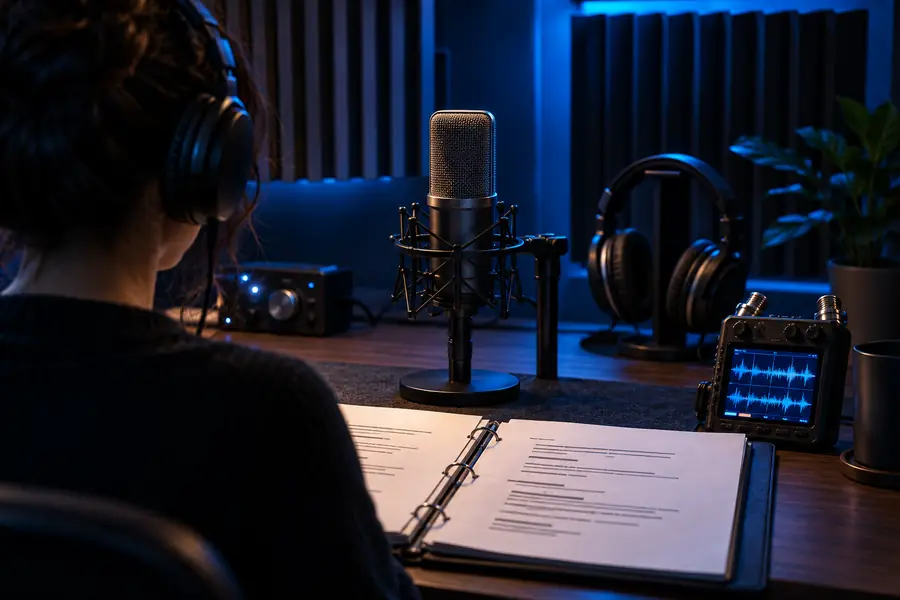

Compare the script intent with the finished sound, then revise the weakest phrase rather than assuming the whole sample is unusable.
Before: test setupAfter: reviewable sampleStart with one short, representative passage and a clear listening question. A focused test makes it easier to decide whether the output suits narration, teaching content, a podcast segment, or a character experiment. Keep the first version small, review it carefully, and only then expand the workflow.
Turn a test into a useful sample
- Use a script that reflects the real audience and subject.
- Check pronunciation, pacing, tone, and transitions.
- Keep source permissions and publication decisions documented.
Scenario FAQ
These answers address the practical questions behind an audio-example search, from choosing a test clip to deciding what a sample can actually prove.
They are useful for hearing how a voice workflow handles a specific script and delivery goal. Common tests include narration, lesson introductions, podcast segments, product explanations, and short character lines.
Choose a short script with the words you expect to use in the real project, including names or numbers that may be difficult to pronounce. Pair it with an appropriate reference and review the result for pacing, clarity, tone, and unintended emphasis.
Not reliably. A short clip can reveal useful strengths and problems, but longer passages, different subjects, and more complex pronunciation may behave differently. Test several representative excerpts before making a production decision.
Confirm that the source audio and script are authorized for the intended use. Then listen through the complete file, check pronunciation and edits, and make sure the sample is clearly labeled if it could be mistaken for a real recording.