Reference-driven speech
A clearer path through f5 tts voice cloning
f5 tts voice cloning uses a short reference recording and its transcript to guide a new spoken passage. This page shows the setup, the handoff, and the tradeoffs before you run it.
Before you begin
Prerequisites
A reliable run starts with a usable reference, matching text, and a target passage that gives the model enough context to follow.
-
1
Prepare the reference
Choose a clear recording with one consistent speaker, limited background noise, and natural delivery. Keep the transcript aligned with the spoken words.
-
2
Define the target passage
Write the new text you want spoken and decide on its tone, pacing, and pronunciation priorities. Short, well-edited passages make early checks easier.
-
3
Check the handoff
Place the reference audio, transcript, and target text into the supported generation workflow, then listen for identity, clarity, and unwanted artifacts.
Related paths
- f5-tts multilingual See how language choice can affect a reference-led speech experiment.
- f5-tts demo Use the demo page as a quick orientation before comparing full runs.
- f5 tts arabic Focus on Arabic-specific questions about pronunciation and voice output.
- f5-tts requirements Review the practical setup considerations before preparing your inputs.
From input to output
One full run-through
The difference between a rough test and a useful result is usually visible in the inputs: consistent audio, an accurate transcript, and a deliberate target passage.
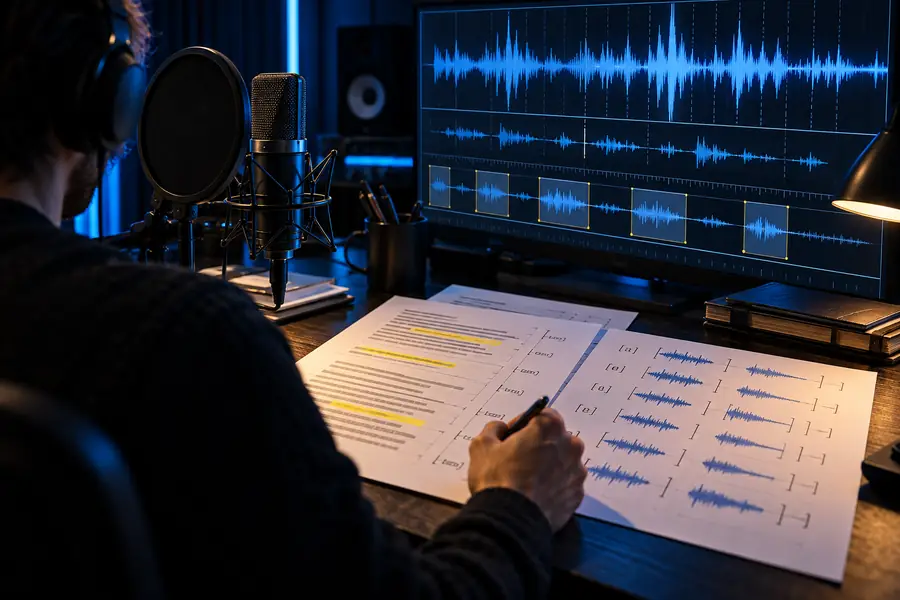
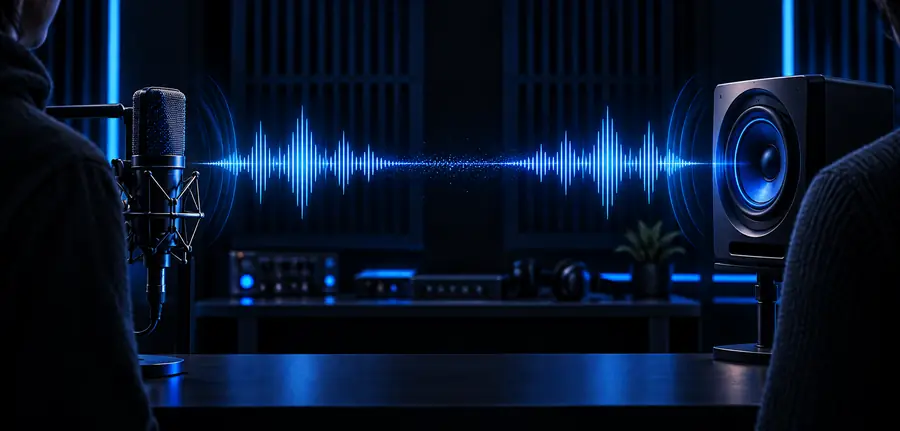
Start with a short passage so you can isolate whether an issue comes from the reference, transcript, or target text. If the result sounds uneven, change one input at a time instead of rewriting the whole run.
Reference setupGenerated passChoose the cleaner test
Options table
These two sides describe the inputs and outputs you can control during a first voice-cloning experiment.
| Reference setup | Generated voice pass | |
|---|---|---|
| Primary material | A recorded voice sample with matching text | A new passage supplied for synthesis |
| Main purpose | Give the model a vocal identity and delivery cue | Produce speech that follows the target wording |
| Quality priority | Clean sound, one speaker, accurate transcript | Clear pronunciation and stable pacing |
| Best first test | Short, natural reference speech | Short narration with simple sentence structure |
| What to inspect | Noise, overlap, clipping, and transcript mismatch | Identity, intelligibility, pauses, and artifacts |
| Useful adjustment | Replace or clean the reference recording | Revise punctuation, wording, or passage length |
| Common tradeoff | More expressive audio can also contain more noise | Longer text gives more content to inspect but more room for drift |
Honest caveats
What fails
Voice cloning is sensitive to input quality and context. A careful setup improves the odds, but it cannot guarantee a perfect match on every passage.
It cannot repair a poor reference
Heavy noise, room echo, clipping, overlapping speakers, or an inaccurate transcript can carry through into the result.
What to do instead
Use a cleaner single-speaker recording and verify the transcript before generating.
It cannot guarantee exact identity
A generated pass may resemble the reference while still differing in tone, rhythm, pronunciation, or emotional delivery.
What to do instead
Test several short passages and judge consistency rather than one isolated sentence.
It cannot infer every performance choice
Sarcasm, unusual emphasis, breaths, character acting, and highly specific pacing may not transfer as intended.
What to do instead
Simplify the target text, add clearer punctuation, and review the output phrase by phrase.
It cannot remove consent duties
A technically successful clone does not establish permission to use another person's voice or imply their endorsement.
What to do instead
Use voices and recordings you are authorized to process, and keep usage transparent.
Ready to test a reference voice?
Bring a clean clip, its transcript, and a short target passage into a focused run. Start with one controlled example, then adjust only the input that explains the problem.
- Use a clear single-speaker reference
- Begin with a short target passage
- Review identity and intelligibility separately
Your own voice-cloning questions
Frequently asked questions
It requires a suitable reference recording, the words spoken in that recording, and a target passage for the generated speech. Clean audio and an accurate transcript give you a more useful starting point.
There is no single length that guarantees the best result for every setup. Begin with a clear, consistent sample rather than adding duration just to make the file longer, then compare results with the same target passage.
No. The output can resemble the reference without reproducing every vocal trait, accent, pause, or emotion exactly. Recording quality, transcript accuracy, target text, and delivery style all affect the result.
The reference guides the generated performance but does not make the new passage a recording of the original speaker. Noise, mismatched text, unusual phrasing, pronunciation, and pacing can all contribute to audible differences.
Only use a recording when you have the appropriate permission and a legitimate reason to process it. A good technical result does not replace consent, disclosure, or responsibility for how the voice is used.